顯示具有 snort 標籤的文章。 顯示所有文章

2025/05/12

因為ssl加解密的几制已經搞很久了還是有問題
所以找看看其他的解決方案
這几天試了一下 nginx 的 mirror 功能
記錄一下

在要執行 mirror 的 nginx 上設定如下

server {
    listen 443 ssl;
    server_name aaa.com.tw;


    ssl_certificate /etc/ssl/certs/server.cer;
    ssl_certificate_key /etc/ssl/certs/server.key;


    location / {
        proxy_pass http://primary_backend;
        proxy_set_header Host $host;
        proxy_set_header X-Real-IP $remote_addr;
        proxy_set_header X-Forwarded-For $proxy_add_x_forwarded_for;

        mirror /mirror;

        mirror_request_body on;
    }

    location /mirror {
        internal;
        proxy_pass http://secondary_backend;
        proxy_set_header Host $host;
        proxy_set_header X-Real-IP $remote_addr;
        proxy_set_header X-Forwarded-For $proxy_add_x_forwarded_for;
        proxy_read_timeout 1s;
        proxy_connect_timeout 1s;
    }
}

upstream primary_backend {
    server 10.0.0.1:80;
}

upstream secondary_backend {
    server 10.0.0.2:80;
}

10.0.0.1 是提供服務的server

10.0.0.2 接收 mirror過來的內容

10.0.0.1 10.0.0.2 二台都必須要起web server並listen 非加密的 80 port

10.0.0.2只需要啟動即可 不需要跟 10.0.0.1有相同的網頁內容
因為如果10.0.0.2沒有 web server  mirror過來的封包會被直接丟掉 

同時在 10.0.0.2上啟動 ids 軟体 如 snort, suricata 等 分析mirror過來的內容

10.0.0.1會把client的request解密後同時送到 10.0.0.1 10.0.0.2 

但不會 mirror server response 的內容


10.0.0.2 上的nginx access log 預設會記錄 10.0.0.1這個ip
如果要改成 request client的ip  nginx.conf 要新增以下內容

server {
    set_real_ip_from 10.0.0.1;
    real_ip_header X-Real-IP;


2019/01/11

最近有台電腦中毒
在snort造成三百多萬筆的log

TOTAL        ip_src
3019640    192.168.101.56

導致web的管理介面開啟緩慢
於是想說來清理一下
碰到几個問題

首先用sql下指令
半小時大約只能delete 2百多筆
醬可能要搞到天荒地老

再來想說不然匯出 用 shell處理完再匯入
用grep直接當掉
只能用sed
可是用sed的速度比sql快不了多少

最後解決的方式是
先把發生當天的資料全砍了

delete from event where timestamp like '2019-01-07%';

再清理一次
快多了

2018/01/09

今天想把snort的資料吐進 graylog

記錄一下步驟

首先改一下snort.conf 增加寫到syslog的選項

output alert_syslog: LOG_LOCAL5 LOG_ALERT

再來改一下rsyslog.conf

$template GRAYLOGRFC5424,"<%PRI%>%PROTOCOL-VERSION% %TIMESTAMP:::date-rfc3339% %HOSTNAME% %APP-NAME% %PROCID% %MSGID% %STRUCTURED-DATA% %msg%\n"

local5.alert @graylog.server:514;GRAYLOGRFC5424

再來在gralog上加入extractor 加在 收snort log的那個input

system -> input -> manage extractors


import extractors


在以下的空格貼入 https://github.com/jhaar/mygraylog-patches-extractor-snort/blob/master/extractor-snort 裡的程式碼


之後進來的資料就可以被解析了


https://www.graylog.org/blog/64-visualize-and-correlate-ids-alerts-with-open-source-tools

2018/01/07

延續昨天的問題
程式跑一個晚上砍不到10000筆 XD
早上停掉
找了一下資料
改用另一種跑法

一樣是先把要砍的欄位資料撈出來
之後以一萬筆為單位拆開 做完後從資料中清除
如下

先把找出來的cid先排序 才能使用 comm 指令

sort data > data_s
mv data_s data

get_10000

sed -n '1,10000p' data > data_del
#grep -v -f data_del data > data_tmp
comm -1 -3 data_del data > data_tmp
mv -f data_tmp data

利用上述的檔案生成sql 語法

del_data_10000

for i in `cat data_del`
do
    echo -n $i" ,"
done > 000

echo -n 999999999 >> 000

mysql -u user -p123456 snort -e"delete from event where cid in (`cat 000`);"


一次跑100個loop

#!/bin/bash

for i in {1..100};
do
    echo $i" times"

    ./get_10000
    echo "get ok"
    ./del_data_10000
    echo "del ok"

    wc data
    echo " "

done

速度快多了

2018/01/06

前一陣子不知是因為FP還是真的有那麼多攻擊
導致snort的資料庫塞了一堆 OS-WINDOWS Microsoft WINS arbitrary memory modification attempt 有五百多萬筆 XD

rule 是以下這個

alert udp $EXTERNAL_NET any -> $HOME_NET 1027:5000 (msg:"OS-WINDOWS Microsoft WINS arbitrary memory modification attempt"; sid:13826; gid:3; rev:6; classtype:attempted-admin; reference:cve,2008-1451; reference:url,technet.microsoft.com/en-us/security/bulletin/MS08-034; metadata: engine shared, soid 3|13826;)

然後整個web畫面就慢的夭壽慢 一直放著沒處理
今天想想來處理

首先先把 acid_event 這個 table 裡有關 OS-WINDOWS Microsoft WINS arbitrary memory modification attempt 的 cid 找出來

select cid from acid_event where sig_name='OS-WINDOWS Microsoft WINS arbitrary memory modification attempt';

然後寫個 shell 到 event table 去全砍了

#!/bin/bash

for i in `cat 123`
do

    echo $i
    mysql -u user -p123456 snort -e"delete from event where cid=$i;"

done

或直接寫個sql 
DELETE FROM tb1 WHERE tb1.a in (SELECT k from tb2);

接下來再 使用之前寫過的清資料的方法

再跑一次
忘記從那個版本開始(最近)
要啟動snort都會出現以下的錯誤

FATAL ERROR: /etc/snort/snort.conf(327) => Invalid keyword '}' for server configuration.

今天特別google了一下

有人提到二個解法方法
一個是裝上lzma
一個是不要使用
試了第一個方法
把lzma相關的rpm都上了 還是不行
所以只能拿掉了
改一下 snort.conf

#    decompress_swf { deflate lzma } \
    decompress_swf { deflate } \

目前是沒問題了

http://seclists.org/snort/2017/q4/146

2017/12/31

一直都是使用BASE這個工具來看snort產生的報表
但也一直都有個問題就是查詢結果會分頁
在之前都是一頁一頁分別列印出pdf
想把查詢結果轉成csv然後寄出
試了一下發現有二個地方要處理
一個是要把php-pear-Mail這個rpm裝上去

yum install php-pear-Mail

再來要修改base_conf.php如下

base_conf.php

$action_email_smtp_host = 'localhost';
$action_email_smtp_auth = 0;
$action_email_from = 'base@snort';

不要忘記重啟httpd

systemctl restart httpd

如下圖 在查詢結果的最下方選擇 電子郵件警告(csv)  然後打入要寄出的 email 最後點進入查詢 就可以寄出了


2017/10/12

今天把snort 升到2.9.11後
要啟動時出現以下的錯誤

/usr/sbin/snort: error while loading shared libraries: libdnet.1: cannot open shared object file: No such file or directory

libdnet這個rpm明明就有裝
因為剛release 所以可能還沒有人升級
先找看看
在/user/lib64下有找到libdnet的相關檔案
而且全部都連結到 libdnet.so.1.0.1

ls -al|grep libdnet
lrwxrwxrwx   1 root root      16 Oct 12 08:41 libdnet.1 -> libdnet.so.1.0.1
lrwxrwxrwx   1 root root      16 Oct 12 08:31 libdnet.so -> libdnet.so.1.0.1
lrwxrwxrwx   1 root root      16 Dec 21  2015 libdnet.so.1 -> libdnet.so.1.0.1
-rwxr-xr-x   1 root root   62936 Jun 10  2014 libdnet.so.1.0.1

想說不然就來試看看
再建一個連結

ln -s libdnet.so.1.0.1 libdnet.1

醬就可以了
目前啟動正常

https://snort.org/

2016/12/30

一直以來snort 啟動時都會出現如下的log

Dec 30 14:35:39 a236 snort[2425]: Encoded Rule Plugin SID: 39634, GID: 3 not registered properly.  Disabling this rule.
Dec 30 14:35:39 a236 snort[2425]: Encoded Rule Plugin SID: 38753, GID: 3 not registered properly.  Disabling this rule.
Dec 30 14:35:39 a236 snort[2425]: Encoded Rule Plugin SID: 41102, GID: 3 not registered properly.  Disabling this rule.

看起來好像就是so_rule沒有load進去
今天找了一下解決的方法
原來是不能直接使用下載回來的更新檔內的so_rule
而是必須要自己再compile一次
做完之後
再改了一下update rule的shell 目前看來是正常
不過
dns的alert好多

2015/12/04

最近開始直接向各國回報攻擊我們的ip
今天終於有一個國家回信 是日本
好感動
請我再提供log的時區及純文字檔

snort base 無法直接匯出

記錄一下sql語法

select event.cid,signature,sig_name,inet_ntoa(iphdr.ip_src),tcphdr.tcp_sport,inet_ntoa(iphdr.ip_dst),tcphdr.tcp_dport,timestamp from iphdr,event,signature,tcphdr where event.signature=signature.sig_id and event.cid=iphdr.cid and event.cid=tcphdr.cid and event.timestamp like '2015-12-04%' and inet_ntoa(iphdr.ip_src)="133.208.26.134" into outfile '/tmp/133.208.26.134.log';

事件的唯一值是 event裡的cid 其他table都要參考這個值

iphdr 放的是ip資料
tcphdr 放的是tcp的相關port 資料
udphdr 放的是udp的相關port 資料

2015/08/06

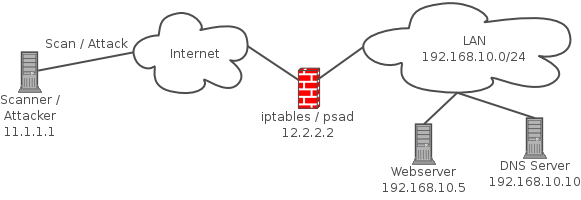
本來想把psad移到snort 上
但iptables下完後在收port mirror的nic一直沒法產生log
查了一下文件
iptables 好像沒法在port mirror的情況log
一定要有封包流過去才能log
如下圖


2015/07/30

昨天下午17點多發生一台cisco不明原因的網路不通
早上去查了一下
找不到原因
只好把昨天早上的config 備份倒回去
說也奇怪 就正常了

到了今天中午
宿舍的4台cisco一起出問題
查了一下log如下
Jul 30 11:10:27 GMT+8: %ACL_ERRMSG-4-UNLOADED: 1 fed:  Output IP Vlan ACL on interface Vlan206 for label 3 on asic255 could not be programmed in hardware and traffic will be dropped.
Jul 30 11:10:27 GMT+8: %ACL_ERRMSG-4-UNLOADED: 1 fed:  Output IP Vlan ACL on interface Vlan207 for label 3 on asic255 could not be programmed in hardware and traffic will be dropped.
Jul 30 11:10:27 GMT+8: %ACL_ERRMSG-4-UNLOADED: 1 fed:  Output IP Vlan ACL on interface Vlan208 for label 3 on asic255 could not be programmed in hardware and traffic will be dropped.
Jul 30 11:10:27 GMT+8: %ACL_ERRMSG-4-UNLOADED: 1 fed:  Output IP Vlan ACL on interface Vlan209 for label 3 on asic255 could not be programmed in hardware and traffic will be dropped.
Jul 30 11:10:27 GMT+8: %ACL_ERRMSG-4-UNLOADED: 1 fed:  Output IP Vlan ACL on interface Vlan210 for label 3 on asic255 could not be programmed in hardware and traffic will be dropped.

詢問廠商後得到這樣的回答

原廠對3850/3650 ACL限制的說明,

ACL TCAM (TAQ)有2塊,分別為in與out,但VACL只能使用其中1塊.限制如下:

1.VACL  => 1.5K 筆 (最多,不分in,out)

2.MAC VACL => 單向460筆(in,out分開算)

3.IPv4 VACL  => 單向690筆(in,out分開算)

4.IPv4 PACL,RACL => 單向1380筆(in,out分開算)

5.MAC PACL,RACL =>單向690筆(in,out分開算)

6.IPv6 PACL,RACL =>單向690筆(in,out分開算)


VLAN Access Control List (VACL) − A VACL is an ACL that is applied to a VLAN. It can only be applied to a VLAN and no other type of interface. The security boundary is to permit or deny traffic that moves between VLANs and permit or deny traffic within a VLAN. The VLAN ACL is supported in hardware, and has no effect on the performance.

Port Access Control List (PACL) − A PACL is an ACL applied to a Layer 2 switchport interface. The security boundary is to permit or deny traffic within a VLAN. The PACL is supported in hardware and has no effect on the performance.

Router ACL (RACL) − An RACL is an ACL that is applied to an interface that has a Layer 3 address assigned to it. It can be applied to any port that has an IP address such as routed interfaces, loopback interfaces, and VLAN interfaces. The security boundary is to permit or deny traffic that moves between subnets or n

意思就是說當acl下超過690條後 机器就會不正常了
XD
cisco吔

為什麼以前都沒發生過咧

不知是因為最近snort升到 2.9.7.5 所以 port scan變的比較敏感
還是port scan真的變多了

反正先改了一下程式
要block的ip直接下到fortiget而不先進LP了
看來也沒啥好方法可以處理了

2015/07/07

今天接到一個工作
要把snort裡的資料匯出成文字檔給外面的單位
因為BASE沒辦法一次全部匯出
所以要自己寫sql了

select event.cid,signature,sig_name,inet_ntoa(iphdr.ip_src),inet_ntoa(iphdr.ip_dst),timestamp from iphdr,event,signature where event.signature=signature.sig_id and event.cid=iphdr.cid into outfile '/tmp/sqloutput.txt';


http://www.andrew.cmu.edu/user/rdanyliw/snort/acid_db_er_v102.html
http://sgros.blogspot.tw/2012/07/querying-snort-sql-database.html
http://note.tc.edu.tw/670.html

2013/12/07

原本在snort設定的portscan偵測看起來發揮了不少作用
今天再加上特徵值的偵測阻擋
目前門檻值先設為100
即某個ip觸犯snort的rule到達100次後便加以封鎖
先醬觀察看看
程式碼如下

#!/usr/bin/python

import MySQLdb

db = MySQLdb.connect(host="localhost", user="root", passwd="abcd1234", db="snort")
cursor = db.cursor()

cursor.execute("select count(*) as cnt,inet_ntoa(ip_src) from event,iphdr where event.cid=iphdr.cid and event.sid=iphdr.sid and DATE(event.timestamp) = CURDATE() group by ip_src order by cnt")
result = cursor.fetchall()
#fetch select result to list

if result:
        for record in result:
                if record[0]>100:
                #set malice count 100
                        print record[1]
db.close()

select signature,count(*) as cnt,inet_ntoa(ip_src) from event,iphdr where event.cid=iphdr.cid and event.sid=iphdr.sid group by ip_src order by cnt;

Good!
http://sgros.blogspot.tw/2012/07/querying-snort-sql-database.html

2013/05/18

之前開始使用snort來detect port scan之後
所有ip都有記錄起來
今天想到是不是可以把這些ip直接畫在地圖上
這樣出來的圖應該很美 :D
於是找到了這個網站
http://freegeoip.net/
只要把ip貼上
就可以拿到有關這個ip的相關地圖資料(包含經緯度)
使用 wget 指令

http://freegeoip.net/{format}/{ip_or_hostname}
Supported formats are csv, xml or json.

wget http://freegeoip.net/csv/$i -O ip_tmp
cat ip_tmp |cut -d "," -f 8,9 >> map
單獨取出經緯度
這樣就可以畫在地圖上了
接下來到這個網站
http://gissrv4.sinica.edu.tw/gis/tools/geocoding.aspx

把上面產生出來的map資料貼上去


大功告成

再來就是思考要怎麼自動化了

2013/05/04

今天思考了一下port scan的問題
除了之前使用psad
是否有更有效的方法來處理
找到了snort原來就有這個功能
只是default是關的
要在snort.conf打開
範例如下


# Portscan detection.  For more information, see README.sfportscan
preprocessor sfportscan: proto  { all } memcap { 10000000 } sense_level { high } logfile { /var/log/snort/portscan.log } ignore_scanners { 192.168.0.0/16,  10.0.0.0/8 } ignore_scanned { 192.168.0.0/16 }

詳細的config設定參考以下連結
http://manual.snort.org/node78.html

一樣目前打算跟LP共同運作

2013/01/10

在base的報表上還是會一直出現以下圖的畫面 無法解到sid的名字

一直都是使用snort提供的 sid-msg.map 還是有這個問題
原來是snort的rule update並不會去update sid-msg.map這個檔
所以只好手動了
onikmaster 提供了 create-sidmap.pl 這個程式 下載直接解壓就可以用了
用法如下
create-sidmap.pl /etc/snort/rule/rules > /tmp/sid-msg.map


2012/12/10

2012/12/11後記

升到 barnyard2-1.11 後在base又出現跟之前相同的情況
看不到特徵值的名稱
改了好多東西都沒辦法
而且目前找不到相關文件
改回之前的版本就正常barnyard2-1.9
算了 先改回來
另外
snort 2.9.4-1 一定要把 $SO_RULE_PATH打開
之前的版本預設都不用開
不然事件會都無法偵測且記錄
===========================================
自從12/6升到snort 2.9.4-1的版本後
資料庫的資料就異常的少
剛好今天在snort的blog發現
barnyard2有更新版本(新官網)
看來這個blog的訊息還滿多的(已訂rss)
所以來升級一下看看狀況會不會改善
先備份 /usr/bin/barnyard2及 /etc/barnyard2/barnyard2.conf

升級步驟如下
解壓source後進到目錄

autogen.sh


./configure --bindir=/usr/bin --sysconfdir=/etc/barnyard2 --with-mysql

make && make install

再依照原本的barnyard2.conf改一下

========barnyard2.conf===============


#
#  Barnyard2 example configuration file
#

#
# This file contains a sample barnyard2 configuration.
# You can take the following steps to create your own custom configuration:
#
#   1) Configure the variable declarations
#   2) Setup the input plugins
#   3) Setup the output plugins
#

#
# Step 1: configure the variable declarations
#

# in order to keep from having a commandline that uses every letter in the
# alphabet most configuration options are set here.

# use UTC for timestamps
#
#config utc

# set the appropriate paths to the file(s) your Snort process is using.
#
config reference_file:      /etc/snort/rule/etc/reference.config
config classification_file: /etc/snort/rule/etc/classification.config
config gen_file:            /etc/snort/rule/etc/gen-msg.map
config sid_file:            /etc/snort/rule/etc/sid-msg.map

# Set the event cache size to defined max value before recycling of event occur.
#
#
#config event_cache_size: 4096

# define dedicated references similar to that of snort.
#
#config reference: mybugs http://www.mybugs.com/?s=

# define explicit classifications similar to that of snort.
#
#config classification: shortname, short description, priority

# set the directory for any output logging
#
#config logdir: /tmp

# to ensure that any plugins requiring some level of uniqueness in their output
# the alert_with_interface_name, interface and hostname directives are provided.
# An example of usage would be to configure them to the values of the associated
# snort process whose unified files you are reading.
#
# Example:
#   For a snort process as follows:
#     snort -i eth0 -c /etc/snort.conf
#
#   Typical options would be:
#     config hostname:  thor
#     config interface: eth0
#     config alert_with_interface_name
#
#config hostname:   thor
#config interface:  eth0
config hostname:   localhost
config interface:  eth1

# enable printing of the interface name when alerting.
#
#config alert_with_interface_name

# at times snort will alert on a packet within a stream and dump that stream to
# the unified output. barnyard2 can generate output on each packet of that
# stream or the first packet only.
#
#config alert_on_each_packet_in_stream

# enable daemon mode
#
#config daemon

# make barnyard2 process chroot to directory after initialisation.
#
#config chroot: /var/spool/barnyard2

# specifiy the group or GID for barnyard2 to run as after initialisation.
#
#config set_gid: 999

# specifiy the user or UID for barnyard2 to run as after initialisation.
#
#config set_uid: 999

# specify the directory for the barnyard2 PID file.
#
#config pidpath: /var/run/by2.pid

# enable decoding of the data link (or second level headers).
#
#config decode_data_link

# dump the application data
#
#config dump_payload

# dump the application data as chars only
#
#config dump_chars_only

# enable verbose dumping of payload information in log style output plugins.
#
#config dump_payload_verbose

# enable obfuscation of logged IP addresses.
#
#config obfuscate

# enable the year being shown in timestamps
#
#config show_year

# set the umask for all files created by the barnyard2 process (eg. log files).
#
#config umask: 066

# enable verbose logging
#
#config verbose

# quiet down some of the output
#
#config quiet

# define the full waldo filepath.
#
#config waldo_file: /tmp/waldo

# specificy the maximum length of the MPLS label chain
#
#config max_mpls_labelchain_len: 64

# specify the protocol (ie ipv4, ipv6, ethernet) that is encapsulated by MPLS.
#
#config mpls_payload_type: ipv4

# set the reference network or homenet which is predominantly used by the
# log_ascii plugin.
#
#config reference_net: 192.168.0.0/24

#
# CONTINOUS MODE
#

# set the archive directory for use with continous mode
#
#config archivedir: /tmp

# when in operating in continous mode, only process new records and ignore any
# existing unified files
#
#config process_new_records_only


#
# Step 2: setup the input plugins
#

# this is not hard, only unified2 is supported ;)
input unified2


#
# Step 3: setup the output plugins
#

# alert_cef
# ----------------------------------------------------------------------------
#
# Purpose:
#  This output module provides the abilty to output alert information to a
# remote network host as well as the local host using the open standard
# Common Event Format (CEF).
#
# Arguments: host=hostname[:port], severity facility
#            arguments should be comma delimited.
#   host        - specify a remote hostname or IP with optional port number
#                 this is only specific to WIN32 (and is not yet fully supported)
#   severity    - as defined in RFC 3164 (eg. LOG_WARN, LOG_INFO)
#   facility    - as defined in RFC 3164 (eg. LOG_AUTH, LOG_LOCAL0)
#
# Examples:
#   output alert_cef
#   output alert_cef: host=192.168.10.1
#   output alert_cef: host=sysserver.com:1001
#   output alert_cef: LOG_AUTH LOG_INFO
#

# alert_bro
# ----------------------------------------------------------------------------
#
# Purpose: Send alerts to a Bro-IDS instance.
#
# Arguments: hostname:port
#
# Examples:
#   output alert_bro: 127.0.0.1:47757

# alert_fast
# ----------------------------------------------------------------------------
# Purpose: Converts data to an approximation of Snort's "fast alert" mode.
#
# Arguments: file <file>, stdout
#            arguments should be comma delimited.
#   file - specifiy alert file
#   stdout - no alert file, just print to screen
#
# Examples:
#   output alert_fast
#   output alert_fast: stdout
#
output alert_fast: stdout


# prelude: log to the Prelude Hybrid IDS system
# ----------------------------------------------------------------------------
#
# Purpose:
#  This output module provides logging to the Prelude Hybrid IDS system
#
# Arguments: profile=snort-profile
#   snort-profile   - name of the Prelude profile to use (default is snort).
#
# Snort priority to IDMEF severity mappings:
# high < medium < low < info
#
# These are the default mapped from classification.config:
# info   = 4
# low    = 3
# medium = 2
# high   = anything below medium
#
# Examples:
#   output alert_prelude
#   output alert_prelude: profile=snort-profile-name
#


# alert_syslog
# ----------------------------------------------------------------------------
#
# Purpose:
#  This output module provides the abilty to output alert information to local syslog
#
#   severity    - as defined in RFC 3164 (eg. LOG_WARN, LOG_INFO)
#   facility    - as defined in RFC 3164 (eg. LOG_AUTH, LOG_LOCAL0)
#
# Examples:
#   output alert_syslog
#   output alert_syslog: LOG_AUTH LOG_INFO
#

# syslog_full
#-------------------------------
# Available as both a log and alert output plugin.  Used to output data via TCP/UDP or LOCAL ie(syslog())
# Arguments:
#      sensor_name $sensor_name         - unique sensor name
#      server $server                   - server the device will report to
#      local                            - if defined, ignore all remote information and use syslog() to send message.
#      protocol $protocol               - protocol device will report over (tcp/udp)
#      port $port                       - destination port device will report to (default: 514)
#      delimiters $delimiters           - define a character that will delimit message sections ex:  "|", will use | as message section delimiters. (default: |)
#      separators $separators           - define field separator included in each message ex: " " ,  will use space as field separator.             (default: [:space:])
#      operation_mode $operaion_mode    - default | complete : default mode is compatible with default snort syslog message, complete prints more information such as the raw packet (hexed)
#      log_priority   $log_priority     - used by local option for syslog priority call. (man syslog(3) for supported options) (default: LOG_INFO)
#      log_facility  $log_facility      - used by local option for syslog facility call. (man syslog(3) for supported options) (default: LOG_USER)

# Usage Examples:
# output alert_syslog_full: sensor_name snortIds1-eth2, server xxx.xxx.xxx.xxx, protocol udp, port 514, operation_mode default
# output alert_syslog_full: sensor_name snortIds1-eth2, server xxx.xxx.xxx.xxx, protocol udp, port 514, operation_mode complete
# output log_syslog_full: sensor_name snortIds1-eth2, server xxx.xxx.xxx.xxx, protocol udp, port 514, operation_mode default
# output log_syslog_full: sensor_name snortIds1-eth2, server xxx.xxx.xxx.xxx, protocol udp, port 514, operation_mode complete
# output alert_syslog_full: sensor_name snortIds1-eth2, server xxx.xxx.xxx.xxx, protocol udp, port 514
# output log_syslog_full: sensor_name snortIds1-eth2, server xxx.xxx.xxx.xxx, protocol udp, port 514
# output alert_syslog_full: sensor_name snortIds1-eth2, local
# output log_syslog_full: sensor_name snortIds1-eth2, local, log_priority LOG_CRIT,log_facility LOG_CRON

# log_ascii
# ----------------------------------------------------------------------------
#
# Purpose: This output module provides the default packet logging funtionality
#
# Arguments: None.
#
# Examples:
#   output log_ascii
#


# log_tcpdump
# ----------------------------------------------------------------------------
#
# Purpose
#  This output module logs packets in binary tcpdump format
#
# Arguments:
#   The only argument is the output file name.
#
# Examples:
#   output log_tcpdump: tcpdump.log
#


# sguil
# ----------------------------------------------------------------------------
#
# Purpose: This output module provides logging ability for the sguil interface
# See doc/README.sguil
#
# Arguments: agent_port <port>, sensor_name <name>
#            arguments should be comma delimited.
#   agent_port  - explicitly set the sguil agent listening port
#                 (default: 7736)
#   sensor_name - explicitly set the sensor name
#                 (default: machine hostname)
#
# Examples:
#   output sguil
#   output sguil: agent_port=7000
#   output sguil: sensor_name=argyle
#   output sguil: agent_port=7000, sensor_name=argyle
#


# database: log to a variety of databases
# ----------------------------------------------------------------------------
#
# Purpose: This output module provides logging ability to a variety of databases
# See doc/README.database for additional information.
#
# Examples:
#   output database: log, mysql, user=root password=test dbname=db host=localhost
#   output database: alert, postgresql, user=snort dbname=snort
#   output database: log, odbc, user=snort dbname=snort
#   output database: log, mssql, dbname=snort user=snort password=test
#   output database: log, oracle, dbname=snort user=snort password=test
#
output database: alert, mysql, user=aaa password=bbb dbname=snort host=127.0.0.1


# alert_fwsam: allow blocking of IP's through remote services
# ----------------------------------------------------------------------------
# output alert_fwsam: <SnortSam Station>:<port>/<key>
#
#  <FW Mgmt Station>:  IP address or host name of the host running SnortSam.
#  <port>:         Port the remote SnortSam service listens on (default 898).
#  <key>:              Key used for authentication (encryption really)
#              of the communication to the remote service.
#
# Examples:
#
# output alert_fwsam: snortsambox/idspassword
# output alert_fwsam: fw1.domain.tld:898/mykey
# output alert_fwsam: 192.168.0.1/borderfw  192.168.1.254/wanfw
#
#